|
|
|
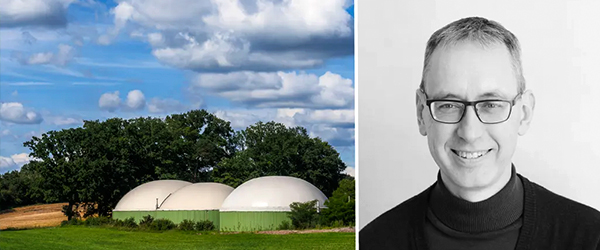
Today’s energy choices redraw the landscape of the future Sweden’s energy demand may double as early as 2035 – and the shift from fossil to renewable sources will, one way or another, reshape our landscapes as energy production moves above ground. Researcher and teacher Anders Larsson calls for less polarization, more holistic thinking, and greater attention to the spatial dimensions of the energy transition. | | | | | Webinar: How can green energy production be integrated into the existing urban environment? |
|
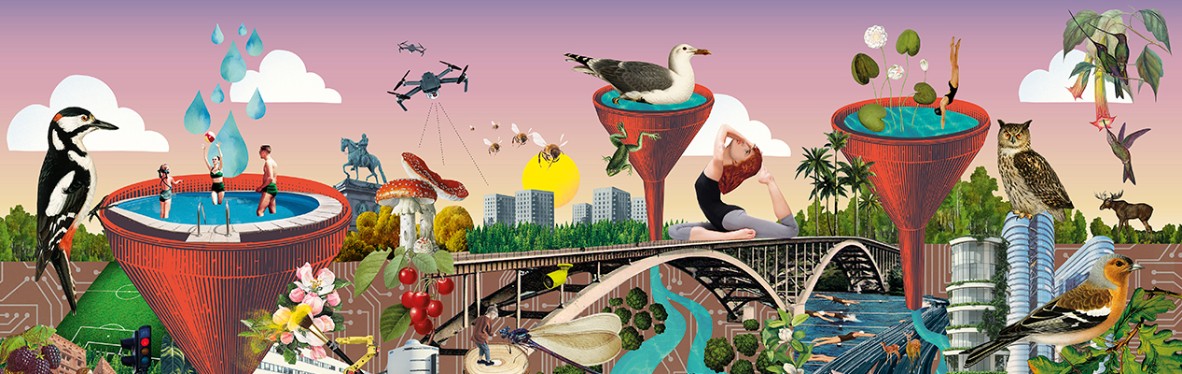
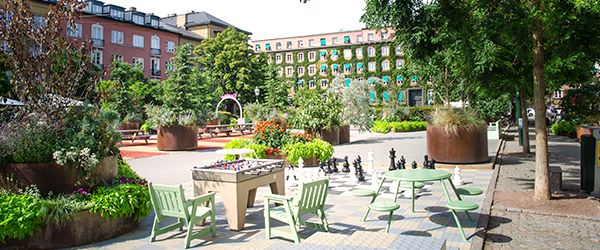
The green energy transition is not only changing how we produce power – it’s changing where. As energy facilities move from city outskirts into urban environments, acceptance and integration become key. This webinar, in the Urban Landscapes webinar-series, explores strategies, research, and dialogue tools to make the transition work within existing cityscapes, while preserving the qualities that make urban spaces livable. llustration: Sofia Scheutz.
| | | | | Sun, soil and synergy – the potential of agrivoltaics in a changing landscape |
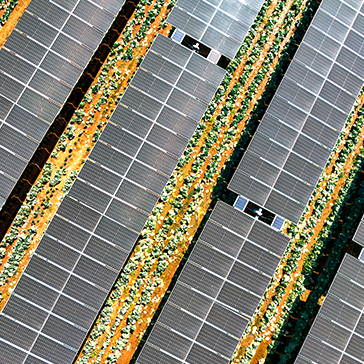
How can energy and agriculture coexist on the same land? The recent SLU webinar on agrivoltaics explored how solar panels can complement farming, biodiversity, and local communities. Experts highlighted examples from Germany, the UK, and Sweden, showing that thoughtful design, local adaptation, and systems thinking can transform landscapes into multifunctional spaces that produce both food and renewable energy. Read more | | | | | | How artistic perspectives are reshaping Stockholm’s waterscapes |
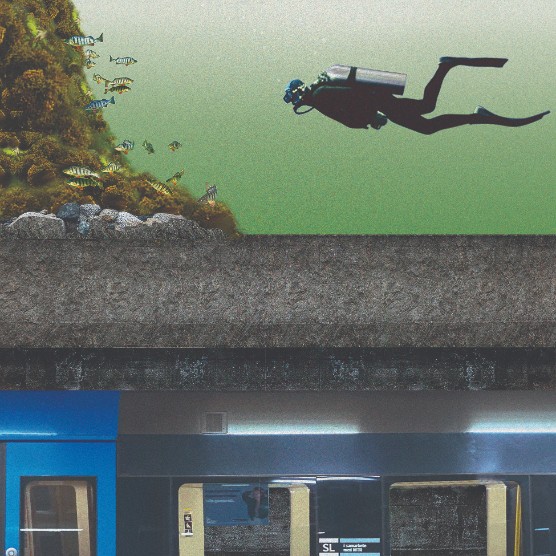
Sweden is exploring new ways to plan cities – not just with art, but through art. The MASSA project brought together artists, architects, ecologists, and planners to rethink Stockholm’s waterscapes, turning millions of tons of excavated rock into opportunities for new reefs, islands, and public spaces. The initiative shows how artistic perspectives can expand tools, collaboration, and imagination for sustainable urban futures. Read more | | | | | | Meet the teachers and researchers behind SLU’s Forum for children and landscape How can outdoor spaces support children’s learning, play, and well-being? Our new interview series with SLU researchers explores how child-friendly environments can be designed to foster curiosity, physical activity, and connection to nature. From hands-on learning to green urban spaces, the series highlights strategies that help children grow, explore, and thrive – today and in the future. Learn more
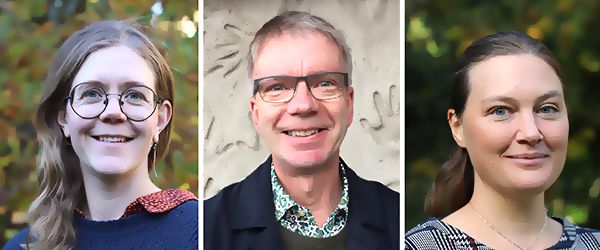
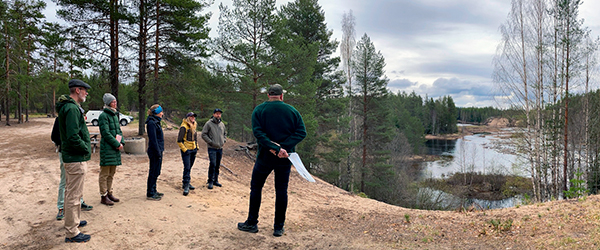
| | | | | Interdisciplinary approaches to ecosystem restoration As Europe ramps up efforts to restore its ecosystems, SLU researchers are exploring how ecology, society, and culture can work together to create landscapes that are both resilient and meaningful. Through interdisciplinary fieldwork, surveys, and innovative approaches, the team investigates how collaboration across fields can make restoration projects fairer, more effective, and better connected to communities. Learn more
| | | | | Food is a social lubricant
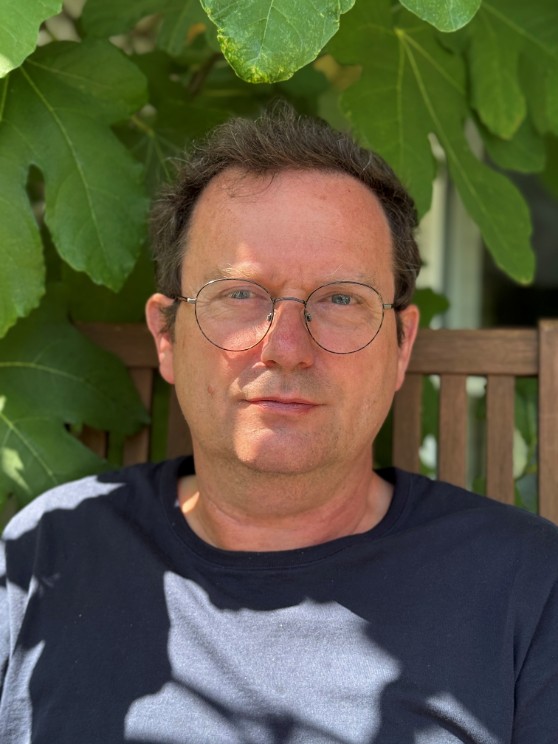
Cities shape what we eat, yet many urban residents are disconnected from how food is produced. Håkan Jönsson, guest professor at SLU, argues that knowledge of cultivation and shared food practices can strengthen both community ties and resilience in times of crisis. From rooftop gardens to international collaborations, these examples highlight how diverse, complementary food systems can secure sustainable urban supply and reconnect city and countryside. Read more | | | | | | Upcoming events- relating to sustainable urban development | | | | | |
RedaktionAnsvarig utgivare: Nina Vogel Redaktör: Axel Bengtsson Layout, webbpublicering: Parvin Mazandarani . . . . . . . . . . . . . . . .
Adress: Box 190, 234 22 Lomma
Tel: 018-67 10 00
urbanfutures@slu.se | | | | | |
|
|