The SASi-SPi newsletter is designed to offer you the latest updates on
our activities and key developments. It provides insights into the challenges
and opportunities related to the transition towards sustainable food systems
and the role of science-policy interface in driving positive change.
Science Policy Interface for food systems transformation
The SASi-SPi initiative applies a methodological approach that combines proven tools and guidelines with participatory processes to facilitate the transformation towards more sustainable food systems in partner countries.
The work in the partner countries Colombia, Sierra Leone and Bhutan focuses on transition challenges and on identifying solutions through multistakeholder participatory processes. The initiative targets primarily food system stakeholders, including government institutions, research organizations, and implementation partners.
When Research Meets Territory: Lessons from Participatory Action in Colombia
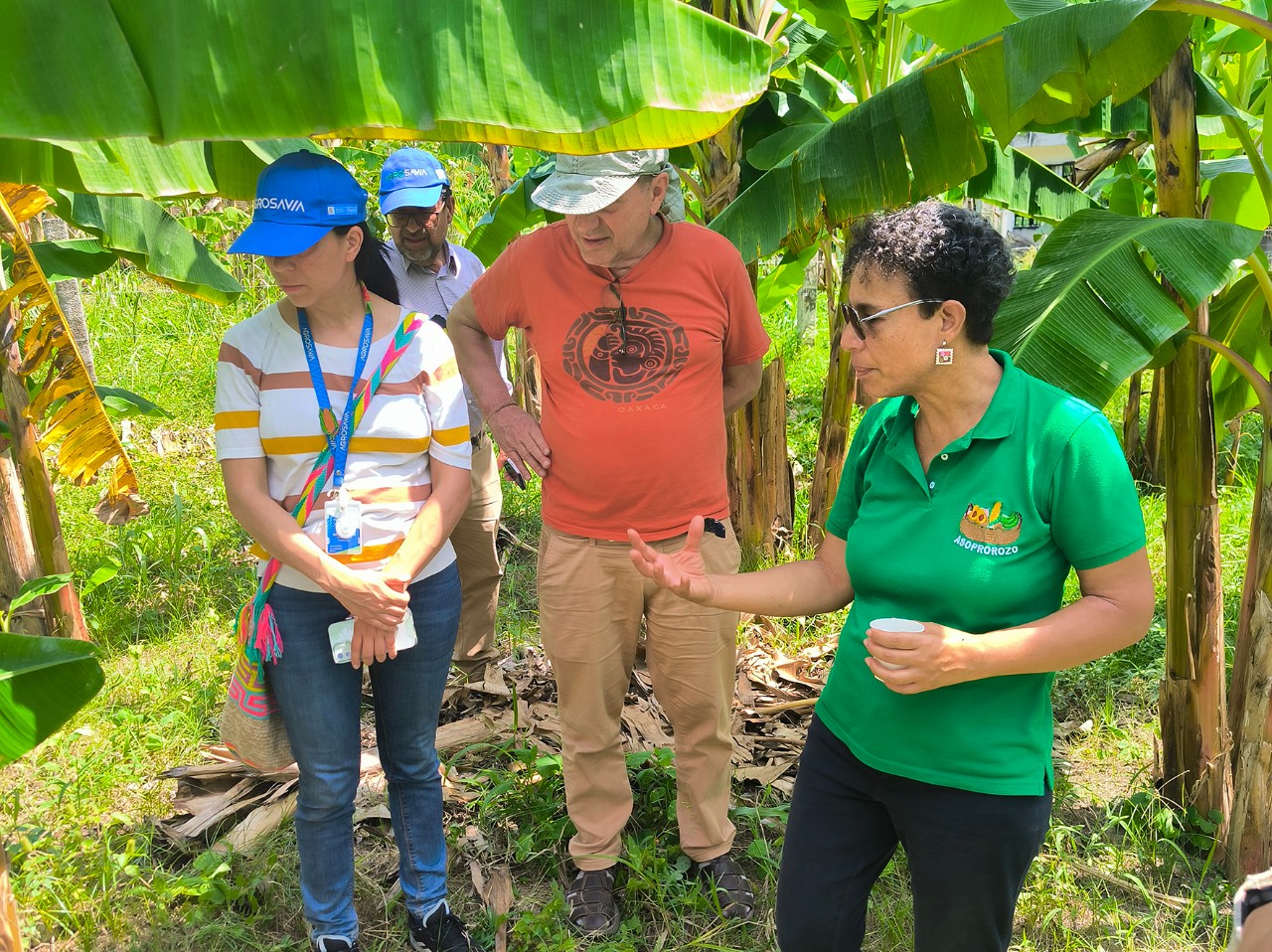
In March 2026, researchers from CIRAD and AGROSAVIA conducted a field visit to Palmira Sur (Valle del Cauca) to engage with stakeholders involved in the Participatory Action Research (PAR) activities developed under the EU-funded SASi-SPi initiative.
A key positive outcome was the strong level of coordination established with territorial actors and local communities.
Valle del Cauca is one of four territories in Colombia where SASi-SPi have been engaging in sustainable food transformation since 2024.
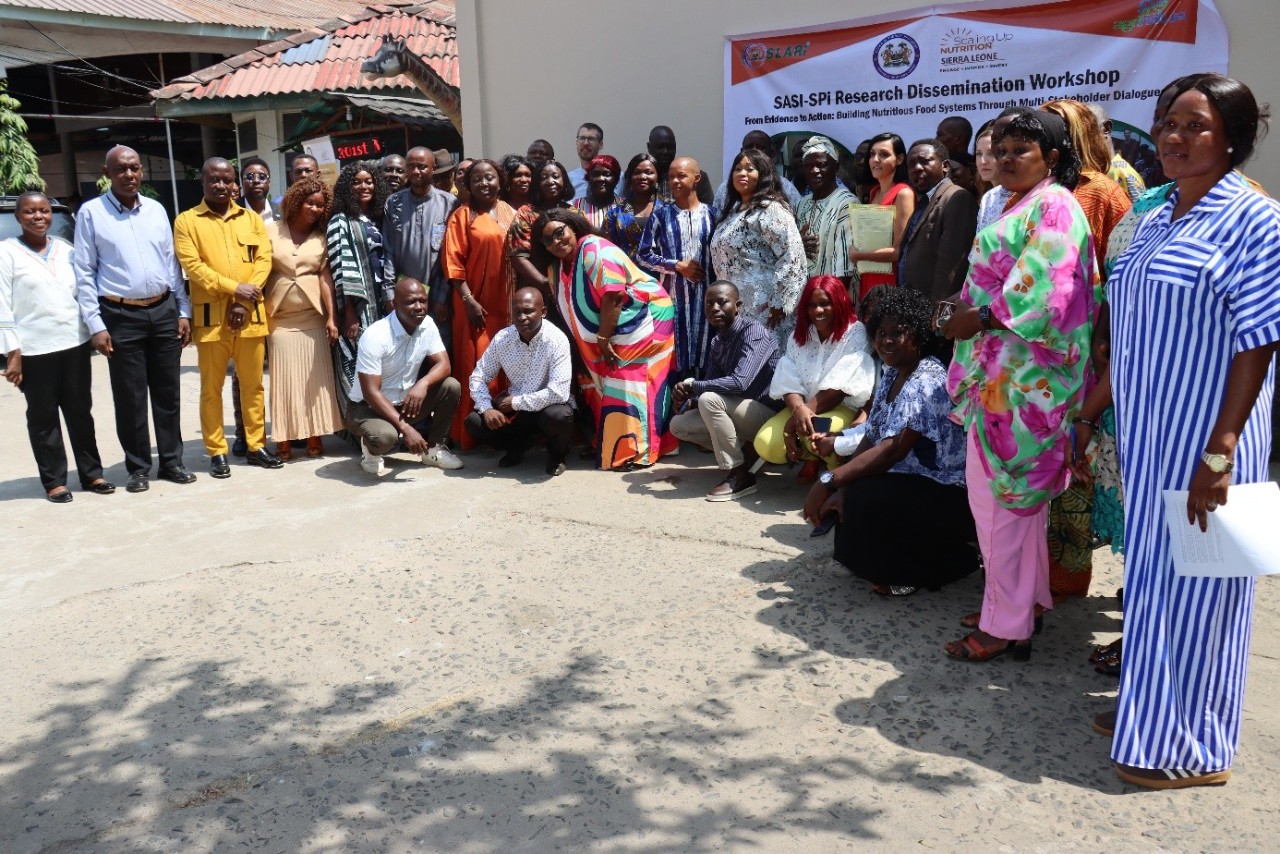
SASi-SPi workshop on nutritious food systems in Sierra Leone helped catalyze government commitments
In a multistakeholder dissemination workshop SASi-SPi presented its findings and recommendations about how Sierra Leone’s Feed Salone strategy can make a bigger contribution to healthy diets for the people in Sierra Leone. The government is acting on the recommendations with strong commitments.
The workshop aimed to present research findings and (policy) recommendations to a broad audience and to encourage their uptake. It succeeded in generating strong government engagement. Notably, the Minister of State announced commitments to:
strengthen demand for nutritious diets through a nationwide campaign promoting local food consumption;
revise national food systems pathways to align with existing strategies; and
decentralize food systems coordination to enhance district-level ownership and community engagement.
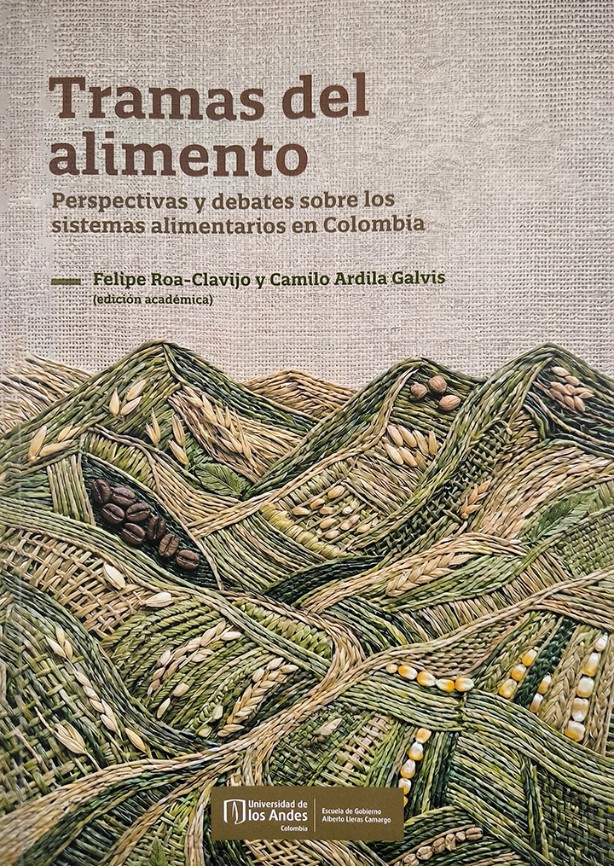
Book review: A timely look at Colombia’s Food Systems
Tramas del Alimento: Perspectivas y debates sobre los sistemas alimentarios en Colombia, released by Universidad de los Andes and published by Ediciones Uniandes, arrives at a critical moment.
At the heart of the publication is the argument that food systems must be understood as far more than agriculture or consumption alone.
One of the book’s greatest strengths is its diversity of voices.
Follow the launch of the annual State of Food Security and Nutrition in The World 2026 (SOFI) report in a side-event during the HLPF för the 2030 Agenda.
SOFI is jointly produced with fellow UN agencies IFAD, UNICEF, WFP and WHO.
1-4
September
Africa Food Systems Forum Summit 2026 | Conference in Kigali Rwanda
This years theme is Investing in Africa's Agri-Food Systems: Nourishing Nations, Growing Jobs, Building Resilience. Register to the event here.
Taking place in Rome and online 12-16 October the FAO Science and Innovation Forum (SIF) provides a platform for dialogue, knowledge exchange and collaboration on science, technology and innovation, between a broad range of stakeholders. This years theme is aligned with the 2026 WFF theme on Innovate today. Nourish tomorrow.